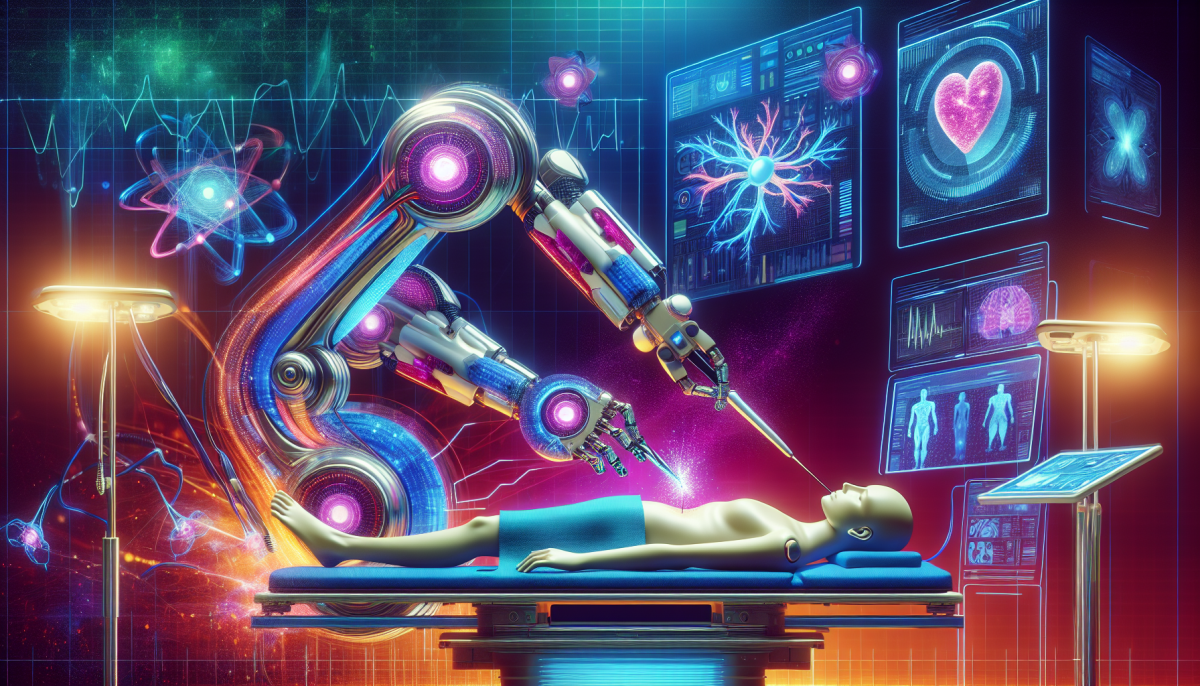
AI is making a huge difference in patient care, and it’s changing the way healthcare professionals work every day. Imagine having a smart assistant that can analyze medical data in seconds. That’s what AI does. It helps doctors diagnose illnesses faster and more accurately, which means patients get the right treatment sooner.
One of the coolest things about AI is how it can personalize treatment plans. Everyone’s body is different, and AI can analyze individual patient data to find the best options tailored just for them. This means better outcomes and fewer trial-and-error moments when it comes to finding the right medicine or therapy.
AI isn’t just about crunching numbers; it also helps in managing patient care. For instance, AI tools can monitor patients’ conditions remotely. This way, healthcare providers can keep an eye on patients at home. If something seems off, they can reach out immediately. It’s like having a safety net that keeps people safer and healthier.
Let’s not forget about the administration side, too. AI helps reduce the paperwork that bogs down healthcare workers. By automating tasks like scheduling and billing, it frees up time for staff to focus more on patient care. This means better attention for patients and a smoother experience when they enter a hospital or clinic.
Benefits of AI in Diagnostics
AI is shaking things up in healthcare diagnostics, and that's a huge win for everyone. One of the biggest perks is how quickly and accurately it can analyze medical data. Imagine getting results from complex tests in a flash instead of waiting days for the results. That means patients can start treatment sooner, which is a game-changer.
Another awesome benefit is the ability of AI to spot patterns that human eyes might miss. It's like having a supercharged assistant that never gets tired. These systems can dive into vast amounts of data, including images and patient histories, and flag potential issues before they become serious. This early detection can save lives.
Plus, AI helps doctors make more informed decisions. With data-driven insights at their fingertips, physicians can tailor treatment plans to individual patients. This personalized approach not only boosts effectiveness but also improves patient satisfaction. When patients feel like their care is customized just for them, it really makes a difference.
Lastly, let’s not forget about accessibility. AI tools can reach places that lack advanced medical facilities. This technology can provide diagnostic support to remote areas, making healthcare more equitable. Patients who might have struggled to get professional healthcare can now receive accurate assessments without traveling long distances.
AI and Personalized Treatment Plans
AI is changing the way we think about personalized treatment plans in healthcare. Imagine walking into a doctor's office and having a treatment plan tailored just for you, based on your unique history and preferences. That’s becoming a reality thanks to AI technology.
At its core, AI analyzes vast amounts of data quickly. This means it can look at your medical history, genetics, and even lifestyle choices to suggest the best treatment options. No one-size-fits-all approach here! These plans can adapt over time, too, making adjustments as your health changes.
Providers can also use AI to predict how you might respond to different treatments. It’s like having a crystal ball that helps doctors make smarter decisions. They can spend less time guessing and more time focusing on what really matters—your health and well-being.
Plus, patient engagement gets a boost. With personalized plans, you’re more likely to stick to your treatment. When you feel like a partner in your healthcare decisions, it’s empowering. You’ll have a clearer picture of what’s happening and why certain paths are chosen.
Overall, AI is reshaping how we approach health. Instead of a generic treatment, you get a plan that’s as unique as you are. And that’s a game changer in the world of healthcare.
Future of AI in Healthcare
But it doesn’t stop there. AI can also help personalize treatment plans for patients based on their unique medical histories and genetic profiles. This means that your doctor can find the treatment that’s likely to work best for you, rather than relying on a one-size-fits-all approach. With AI’s ability to sift through vast amounts of data, the chances of finding the right treatment the first time around are way higher.
Then there’s the promise of virtual health assistants. These AI-driven tools can answer patients’ questions, remind them to take medications, and even help schedule appointments. This not only saves time for healthcare providers but also ensures that patients have the support they need right in their pockets. Think of it as having a little health buddy 24/7.
And let’s talk about research. AI speeds up drug discovery by predicting how new drugs will work, which cuts down on time and money spent in the lab. With AI, the potential to find breakthrough therapies could significantly increase, giving hope to many who are searching for cure.
So, whether it's improving diagnostics, personalizing care, offering virtual assistance, or innovating research, AI is set to change the healthcare landscape dramatically. The best part? It’s all geared toward making healthcare more accessible and effective for everyone.